7 Dermatologist-Approved Ways To Remove Sun Tan From Face And Hands
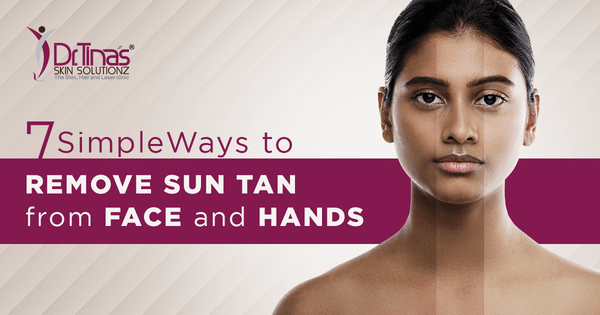
Tanning is our body’s way of standing up to the sun and protecting the skin from harmful UV radiations. It’s a our body’s way to keep us safe. We may dislike it, nevertheless, did you know some skin types get tanned easily while others don’t?
The cosmetic market is teeming with skincare products that claim to be all-natural and effective for sun tan removal. Sometimes it may cause more harm than benefit. Knowing the ingredients and the time duration it can be applied is a good way forward when exploring how to remove sun tan effectively and safely.
Vitamin C, arbutin, licorice, coenzyme Q10, kojic acid are safe alternatives for tan reduction, best recommended according to your skin type by a dermatologist.
For a few natural organic fruits or homemade recipes traditionally used for skin, there’s always something you can turn to when thinking about how to remove sun tan from face or body.
Today we discuss these home based safe ways to reduce tan which rejuvenate and heal your skin.
Table of Contents
What is tanning? Why Does Our Skin Tan?
Tanning is your skin’s natural defense against ultraviolet (UV) radiation. When exposed to the sun, skin cells produce more melanin — the pigment responsible for darker skin tone. While it’s a protective mechanism, excessive tanning can lead to uneven pigmentation, premature aging, and dull skin. Understanding how to remove tan effectively is essential for maintaining healthy, radiant skin.
Common Causes:
– Prolonged sun exposure without SPF
– Dehydration and lack of antioxidants
– Skin type: fair skins tend to burn, while darker tones tan more visibly
– Medication and hormonal changes
Home Remedies to Remove Sun Tan (Natural, Effective & Safe for Skin)
Always remember that natural doesn’t mean you wouldn’t react to it. Even aloe vera or a turmeric can give you a rash. Use a test patch of the natural ingredient behind the ear, wait for half an hour, then wash and see if it is reddish or irritable. If so please take guidance from a dermatologist in Bangalore.
Otherwise choose your pick and pamper your skin back to its glowing best. If you have a skin type:
Tan Removal for Normal to Oily Skin
1. Lemon Juice and Honey Pack
The citric acid in the lemon is strong always test patch this and remember to dilute equal parts, avoid if you have just come back from a sun exposed vacation and skin is irritable.
Mix a squeeze of fresh lime in honey – a deep hydrating agent, best used on hands elbows knees. This is a great DIY approach for those wondering how to remove sun tan from hands naturally.
Tan Removal for Normal to Dry Skin
2. Coffee and Coconut Oil Pack
Rich in antioxidants, coffee has a different effect when applied topically than the stimulating burst of energy it provides when consumed. Applied in a thick paste with another de-tanning agent like coconut oil, coffee soothes the skin, reducing breakouts and intensity of suntan.
Include coffee packs in your nightly skin routine. Let the application sit for 10-20 minutes, followed by a gentle wash. Wake up beautiful with tan-free skin!
Dry to Sensitive
3. Yogurt and Tomato Pack
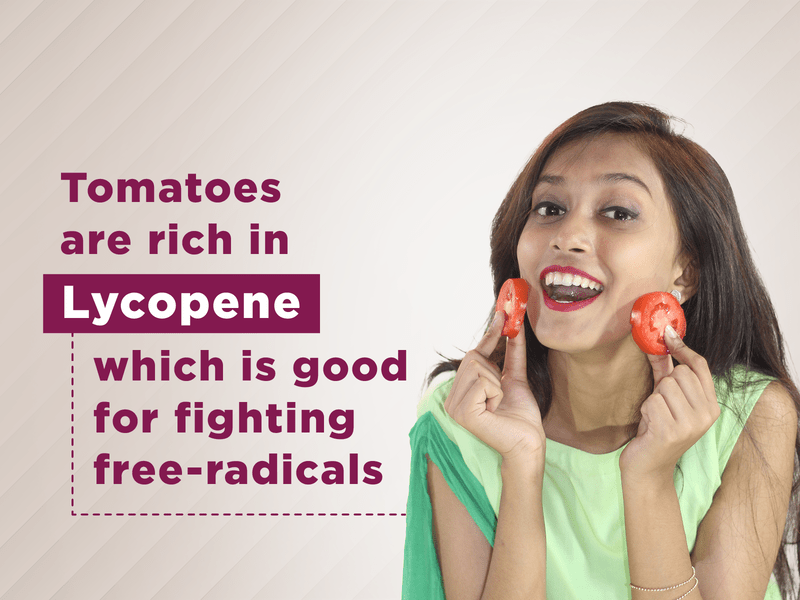
Lycopene – an antioxidant agent good for holding together skin-integrity in the face of free-radical damage, is found in abundance in tomatoes. Blend this rich substance, with unflavored chilled yogurt, creating a cool application to smear over heat-distressed, reddened skin after a day out in the sun.
Swathe generously on face, neck, and other sun-exposed areas and leave on for 30 minutes, followed by a thorough cold wash. This soothes sunburns immediately, leaving your skin feeling fresh and supple to touch.
Use this pack 2-3 times weekly for a month to show results and support your goal of how to remove sun tan from face immediately and effectively.
4. Bengal Gram Flour and Turmeric Pack
A long-treasured home remedy for sun tan removal or de-tanning in Indian homes, Bengal gram flour or besan paste brightens skin tones and fights free radicals, reversing ageing affects. Bengal gram is a natural source of high portions of linoleic and oleic acids responsible for skin brightening. Beta Carotene – a skin cell regenerative agent found in gram flour improves skin texture by stimulating collagen production.
Double up the rejuvenating effects of this skin pack by sprinkling pinches of raw pasted or ground turmeric in the mix. Turmeric inhibits melanin production and stops the proliferation of sunspots. Use regularly to keep blemishes in check and skin discolouration from sun-exposure at bay.
5. Oatmeal & Buttermilk
Sloughing off dead cells from the exposed dermal layer on top is one of the best ways to restore pigmentation-free, fresh, and smiling skin. A crushed oatmeal pack with solid and grainy oat flakes achieves this well, better if soaked first in milk or buttermilk.
Besides being a source of Vitamin E on topical skin applications, oats also enrich the skin with saponins – a plant-based carbohydrate, effective as a natural cleanser. Using an oatmeal skin pack through a hot and humid summer can also help you keep oiliness in check.
6. Citrus Food as Part of the Meal
A potent way of maximizing the effects of summertime de-tanning is to support topical applications with a suitable meal for reducing pigmentation.
Keep a sizable portion of vitamin-C and antioxidant-rich fruits in your daily diet, preventing easy sunburn, sun-induced pigmentation, and tanning.
Flaxseeds – another important ingredient for an anti-tan sustainable summer diet, contains omega 3 fatty acids good for protecting your skin from sunburn, inflammation, and chances of skin cancer. Also, flaxseed oil – lightweight and soothing, is great for locking essential moisture in on a long day out in the sun in dry weather.
7. Raw Milk + Turmeric (Deep Clean + Glow)
Raw milk is rich in lactic acid, a naturally occurring alpha-hydroxy acid (AHA) that dermatologists frequently use for mild chemical exfoliation. Lactic acid works by breaking down the bonds between dead skin cells, allowing pigmented, tanned cells on the superficial layers of the skin to shed more efficiently. This not only helps reverse sun tan but also improves skin texture and promotes brighter, more even-toned skin over time.
Turmeric, on the other hand, contains curcumin, a bioactive compound with proven anti-inflammatory, antioxidant, and melanin-inhibiting properties. Curcumin interferes with the tyrosinase enzyme, which is responsible for melanin production, thereby helping slow down further darkening and supporting natural brightening.
When combined, raw milk and turmeric form a gentle exfoliating + anti-inflammatory duo that reduces tan, soothes UV-induced irritation, and supports healthy skin barrier recovery.
Because lactic acid increases cellular turnover and turmeric is bioactive, this may trigger breakouts in acne-prone or highly sensitive skin. Dermatologists generally recommend patch testing, especially for individuals with compromised barriers or active acne.
Dermatologist Treatments for Stubborn Sun Tan
1. Chemical Peels
Exposure of raw chemicals on skin can set off a string of issues, starting from irritation and heavy pigmentation to toxicity. However, controlled dermal application of a wide range of acid solutions can actually cancel out negative effects of sun exposure and related aspects.
Types of effective chemical peels for de-tanning include Glycolic acid, especially useful for its deep penetrative property. It dissolves easily into skin and sloughs off dead cells from the top. Lactic peel, derived from milk, has a soft and nourishing effect with intense moisturisation advantage for the parched skin of drier summers. Retinol peels infuse Vitamin A – a skin cell growth amplifying agent to replace tanned dermal surfaces with new growth.
2. Laser Skin Lighting
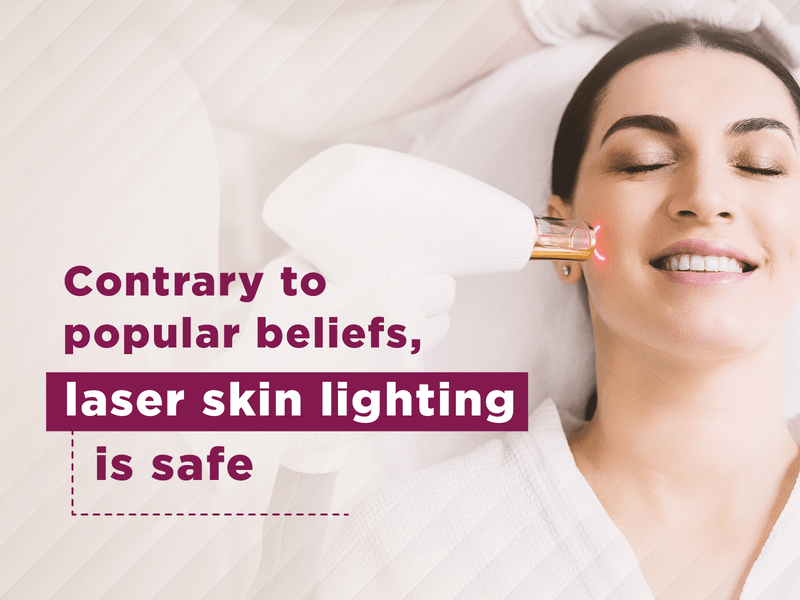
To aim and treat sun-damaged dermal areas with precision and swifter effect, consult a skin care specialist on laser skin lighting. The process involves a strobe of laser being directed upon a demarcated skin area in a controlled fashion, wherein the dry or pigmented skin sloughs off. The underlying layer of fresh skin is revealed to restore a bright complexion.
Contrary to popular belief, when administered by a professional, laser skin lightingis safe, effective, and cost effective.
3. Microdermabrasion / HydraFacial De-Tan
Microdermabrasion and HydraFacial help remove sun tan by targeting the superficial epidermal layers where excess melanin accumulates after UV exposure. Microdermabrasion uses controlled mechanical exfoliation to lift dead, tanned skin cells, stimulate cell turnover, and boost microcirculation, making it highly effective and safe for Indian skin tones. HydraFacial combines vortex suction with exfoliating acids and antioxidant-rich serums to clear clogged pores, dissolve dull surface pigmentation, and deeply hydrate the skin for instant radiance. These treatments not only deliver faster, predictable de-tanning compared to home remedies but also enhance the absorption and effectiveness of brightening ingredients like vitamin C, niacinamide, and lactic acid, ensuring longer-lasting results.
After-Sun Care Routine (Most People Miss This!)
Daily Routine (AM):
- Gentle cleanser
- Vitamin C serum
- Moisturizer
- Sunscreen SPF 30–50 (Broad Spectrum)
- Reapply every 3 hours
Night Routine (PM):
- Cleanser
- Aloe vera or niacinamide
- Moisturizer
- Retinol OR lactic acid (alternate days)
Sun tan is common — especially in India — but removing it safely requires a combination of gentle exfoliation, brightening ingredients, sun protection, and sometimes professional treatments.
Skin-happy summers are possible, give your skin the care and healing touch it needs. Consult a professional to get more insights on de-tanning suitable for your unique skin type.
FAQs
1. How long does it take to remove sun tan from the face?
Mild tan can start fading in 2–3 weeks with regular sunscreen use, gentle exfoliation, and hydrating packs; deeper tan may take 6–8 weeks or need clinical treatments like peels or lasers.
2. Can I remove sun tan from my face overnight?
No remedy can erase a tan overnight, but soothing ingredients like yogurt, aloe vera, or oatmeal can calm redness and make the skin look brighter temporarily while the tan fades gradually.
3. Are lemon and other citrus remedies safe for face tan removal?
Undiluted lemon can irritate skin, worsen sensitivity, and even cause burns, so it must always be diluted, patch‑tested, and avoided on sensitive, inflamed, or acne‑prone facial skin.
4. Which home remedies work best for face tan?
Face‑friendly options include yogurt and tomato, gram flour with a pinch of turmeric, oatmeal with buttermilk, and aloe‑based packs chosen according to skin type and used only a few times a week.
5. Do chemical peels help in removing facial tan?
Dermatologist‑performed peels with glycolic, lactic, or similar acids can speed up tan reduction by exfoliating the upper pigmented layers and stimulating fresh, even‑toned skin.
6. How can I prevent my face from tanning again?
Daily broad‑spectrum sunscreen, reapplication every 2–3 hours outdoors, use of hats or scarves, and antioxidant‑rich skincare significantly cut down the chances of new tan and sun damage.
7. When should I see a dermatologist in Bangalore for face tan?
If tan persists beyond a couple of months, looks patchy or very dark, or is associated with itching, burning, or melasma‑like patches, a dermatologist visit for professional tan removal treatments is recommended.


Dr.Tina Ramachander is one of the best dermatologist in Bangalore and Medical Director at Dr.Tina’s Skin Solutionz, a skin care clinic in Bangalore. She completed her master’s in dermatology from the well acclaimed JJM Medical college in Karnataka and is now a practicising dermatosurgeon and Medical Cosmetologist in Bangalore.